Mining, Critical Minerals and Tech: What’s Next for APAC’s Workforce?
20 Apr, 202611:52Asia-Pacific's mining workforce is moving towards roles that support critical minerals p...

Asia-Pacific's mining workforce is moving towards roles that support critical minerals production, digital mine operations, automation, electrification, and downstream processing as investment flows into lithium, nickel, copper, rare earths, and battery supply chains. Demand is strongest for mining engineers, automation and control systems specialists, maintenance professionals, and technically skilled operators, while skills shortages and remote project locations keep contract and FIFO hiring high. As new technologies change how mines are planned and operated, employers need people who can combine operational expertise with digital and engineering capability.
Key Takeaways:
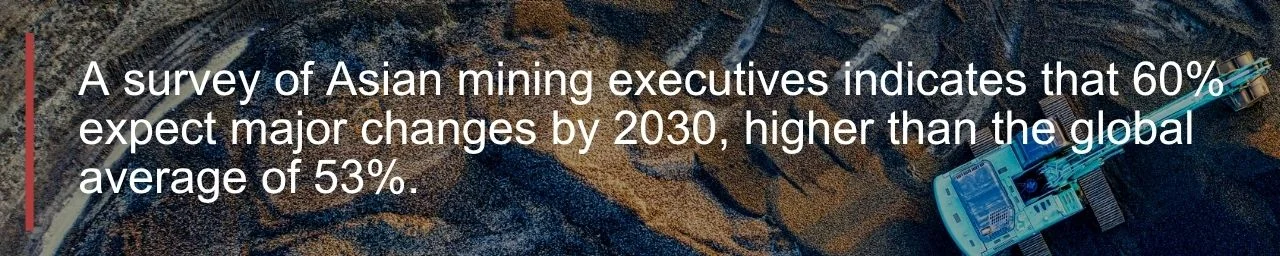
- 60% of Asian mining executives expect major operational changes by 2030, with electrification and renewables integration featuring in long-term plans.
- APEC economies account for most global mining output and trade, placing APAC at the centre of supply chains for minerals.
- More than three-quarters of mining roles are expected to be enhanced or redesigned by digital technologies, creating skills gaps across engineering, automation and data-focused expertise.
- Project pipelines and remote locations continue to increase demand for flexible labour models, including contract and FIFO hiring.
Asia-Pacific is one of the most important mining regions globally, both in terms of resource endowment and downstream processing capacity. The region holds a large share of the world’s lithium, nickel, rare earths and copper reserves, and it’s increasingly where those materials are refined and turned into batteries, electronics and other critical components. APEC economies account for the majority of global mining output and trade, which means activity in the region has a direct bearing on wider economic performance. At the same time, operators are being asked to raise environmental standards, build local capability and deliver projects in more challenging conditions, all while managing ongoing skills shortages.
While new on-site technologies are being introduced to improve safety and efficiency, they’re making it harder to secure experienced professionals, particularly those willing to work in remote locations and operate in more technically complex environments.
Energy transition minerals and international investment
Demand for critical minerals linked to electrification and low-carbon infrastructure continues to influence investment decisions in the region. Survey data from ABB among Asian mining executives shows that 60% expect major operational changes by 2030, compared with a global average of 53%, with electrified fleets, energy-efficient processing, and renewable power integration forming part of long-term planning. Confidence levels are also higher across the region, with 73% of respondents expecting to meet their 2030 sustainability targets, compared with 67% globally. Technologies such as electric vehicles, grid storage, renewable generation, hydrogen and advanced electronics all depend on critical minerals, many of which are sourced or processed in APAC.
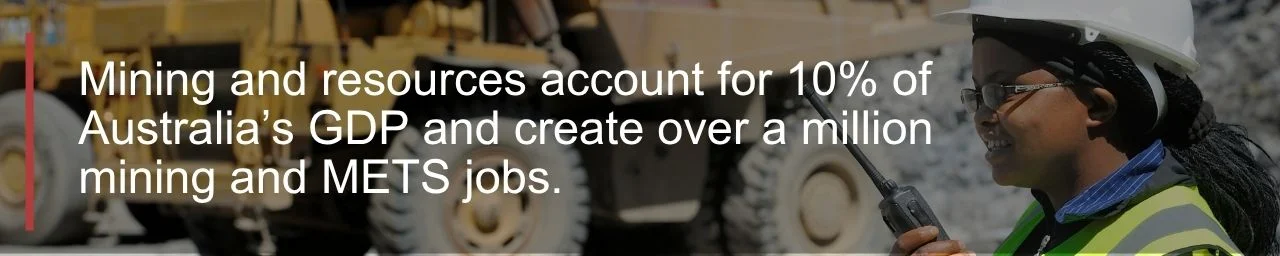
Australia, in particular, has positioned itself as a priority supplier, supported by policy reform, government‑backed financing and international partnerships aimed at strengthening supply chains and reducing reliance on single‑market exporters. Mining and resources account for 10% of Australia’s GDP and create over a million mining and METS (mining, equipment, technology, services) jobs.
A key example is the US–Australia Critical Minerals Framework, which commits funding from both governments to unlock an estimated USD 8.5 billion pipeline of projects, covering extraction, processing, and downstream capability. These agreements reflect the strategic importance of critical minerals not only to clean energy goals, but also to defence readiness and advanced manufacturing resilience.
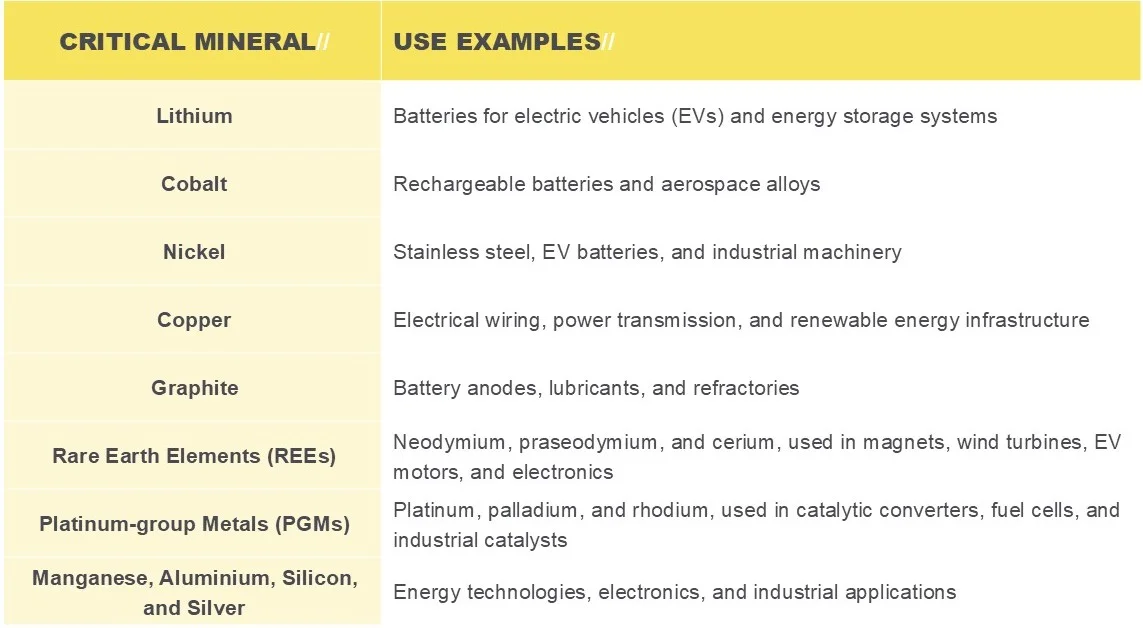
Common critical minerals include:
Mining technology trends decarbonising APAC sites
- Digitalisation and remote operations: Mine operators are steadily increasing their use of digital platforms, using autonomous equipment, remote operations centres, digital twins and predictive maintenance tools to improve oversight and reduce risk for both open-pit and underground sites.
- Automation and robotics: Automation is no longer limited to tier‑one assets. Mid‑scale projects are increasingly using autonomous haulage, advanced drilling systems and AI‑supported geological modelling, often as a response to labour constraints, access challenges or cost pressure during development and expansion.
- Electrification and underground innovation: Electrification is now a major focus for underground operations. Even globally, most mining companies view it as central to their emissions strategies. Battery-electric equipment, hybrid fleets, and improved ventilation design are reducing diesel exposure while allowing operators to work deeper and in more complex ore bodies.
- Advanced processing and refining: Processing and refining are receiving more attention, particularly where governments want greater control over downstream supply. Locating facilities closer to mine sites can simplify logistics, improve traceability and better match the requirements of buyers in markets such as the US, Japan and Europe.
These technological changes influence workforce requirements for projects from start to finish, increasing the need for expertise in electrical, automation, and control systems across brownfield and greenfield sites.
Mining activity by country
Australia
Mining remains a key part of Australia’s economy, with over 350 operating sites nationwide. Western Australia represents roughly one‑third of this activity, and projects such as the Alcoa–Sojitz gallium recovery initiative and Arafura’s Nolans rare earths development point to continued investment across the sector.
International partnerships are also shaping project activity, particularly where Australian nickel and cobalt assets are involved in supply chain discussions with the US and Japan. This is keeping demand high for mining engineers, project delivery specialists, and operations and maintenance professionals, especially in remote and FIFO roles.
China
China continues to exert significant influence through mineral processing and refining capacity, especially for REEs. National programmes promoting “green mine” certification have driven the adoption of automation and energy-efficient technologies, with over 1,200 national-level green mines in operation and policy targets to have 90% of large mines meet green standards by 2028. These initiatives are reshaping workforce requirements for technically skilled professionals across engineering, maintenance and digital systems disciplines.
India
India is among the world’s largest producers of aluminium, and recent policy reforms have expanded opportunities for private participation in non‑ferrous mining. The sector supports millions of direct and indirect jobs and is closely tied to long‑term infrastructure and industrial growth.
Indonesia
Indonesia remains a major focus for nickel and battery‑related investment, spanning both mining and downstream processing. Since export bans on unprocessed ore were introduced, nickel smelting capacity has expanded rapidly, rising from 51.3 million tonnes in 2020 to 175.6 million in 2023. Contract hiring, specialist technical support and flexible workforce arrangements are common, particularly on sites in remote or logistically challenging areas.
Papua New Guinea
PNG combines long‑established gold, silver, and copper operations with ongoing project development, although site conditions vary widely due to geography, logistics and community considerations. Difficult terrain and regulatory requirements mean projects often rely on experienced FIFO and expatriate professionals, particularly across engineering, construction and site leadership roles during construction and ramp‑up.
Vietnam
Vietnam is positioning itself within rare earth and industrial minerals supply chains through tighter export controls and infrastructure‑led development. Legal and policy analysis of rare earth opportunities in Vietnam highlights the importance of compliance, permitting and local partnerships for international operators.
Philippines
The Philippines holds substantial untapped mineral reserves, with only a small proportion explored to date. Recent policy commentary on mining reform points to renewed interest in copper, nickel and gold projects as permitting frameworks evolve.
How is technology changing the mining workforce?
Research into how mining work is changing suggests that digital tools, automation and remote operations are restructuring the majority of roles across the sector. Rather than replacing jobs outright, these technologies are altering how work is done, with more than three‑quarters of roles expected to be enhanced or redesigned as a result.
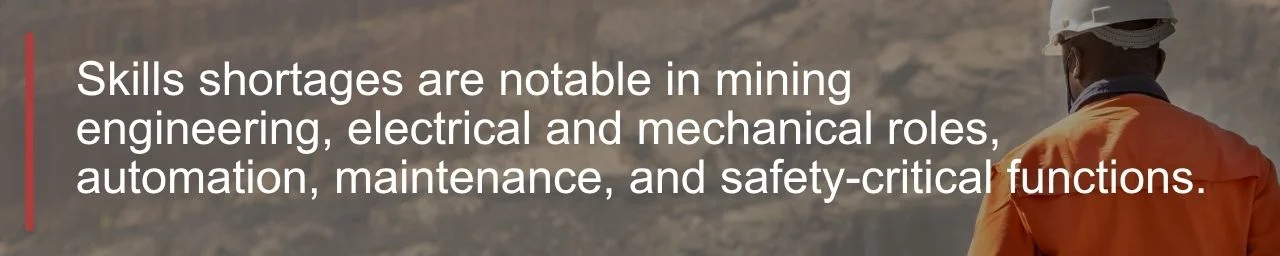
Skills shortages are most evident in mining engineering, electrical and mechanical roles, automation, operations and maintenance, data‑literate site positions, and safety‑critical functions. These shortages are becoming harder to manage as sites introduce new systems and ways of working.
Moreover, traditional role boundaries are becoming less defined. Many positions now sit somewhere between operational delivery and digital capability, placing greater emphasis on training, workforce planning and access to specialist talent throughout the mine lifecycle.
Permanent, contract, and FIFO roles in modern mining
With many projects operating in remote locations and moving through different phases of development, flexible workforce models remain common across the region. Permanent roles support ongoing operations, while contract and FIFO positions are typically used for construction, commissioning and shutdowns.
Mining labour hire plays a central role in enabling operators to respond to changing project needs while maintaining compliance with local employment, safety, and mobilisation requirements.
NES Fircroft – Leading Mining Recruitment Agency in APAC
NES Fircroft is a specialist mining recruitment agency operating across Asia‑Pacific, with more than 29 offices in the region. We work with operators throughout the mining lifecycle, supporting workforce planning, global mobility, compliance and access to specialist skills across exploration, mine design, construction, operations and maintenance.
Our teams support permanent recruitment, contract staffing and project‑based labour solutions across APAC, helping operators address skills shortages while meeting local hiring and compliance requirements.
If you need workforce support for a mining project in Australia, Asia, or PNG, contact us today to learn how we can support your hiring plans.
People also ask:
What services do mining recruitment companies in APAC offer?
Mining recruitment companies in APAC typically work with operators at different stages of a project, from early workforce planning through to mobilisation and ongoing operations. This can include permanent recruitment, contract and FIFO staffing, and support with compliance, mobility and hiring for remote or technically demanding sites.
Why should I use a specialist mining recruitment agency rather than a general recruiter?
Specialist mining recruiters like NES Fircroft understand how site conditions, regulations and project schedules affect hiring decisions. This means candidates are assessed not just on qualifications, but on whether they have experience working in similar commodities, locations and operating environments, leading to faster mobilisation and better placements.
Which mining recruitment agencies operate across Asia‑Pacific?
NES Fircroft operates across Asia‑Pacific, with teams based in Australia, China, India, Indonesia, Papua New Guinea, Vietnam and the Philippines. This regional presence supports both mining and downstream processing projects, and helps operators manage local labour requirements and cross‑border workforce deployment.
How can a workforce partner help me deliver critical minerals and energy transition projects?
A workforce partner helps you scale teams quickly for critical minerals, battery materials, and electrification projects by providing people with the right technical experience at the right project stage.
What should I look for when choosing external workforce support in APAC?
Look for a partner with an established presence in the region, a strong understanding of local regulations, and experience supporting remote or complex sites. This helps ensure smoother mobilisation as projects move between locations and phases.
Related Posts

Top Data Centre Projects in APAC
03 Feb, 2026